
India’s Education System Faces Deep Systemic Challenges
What We Do
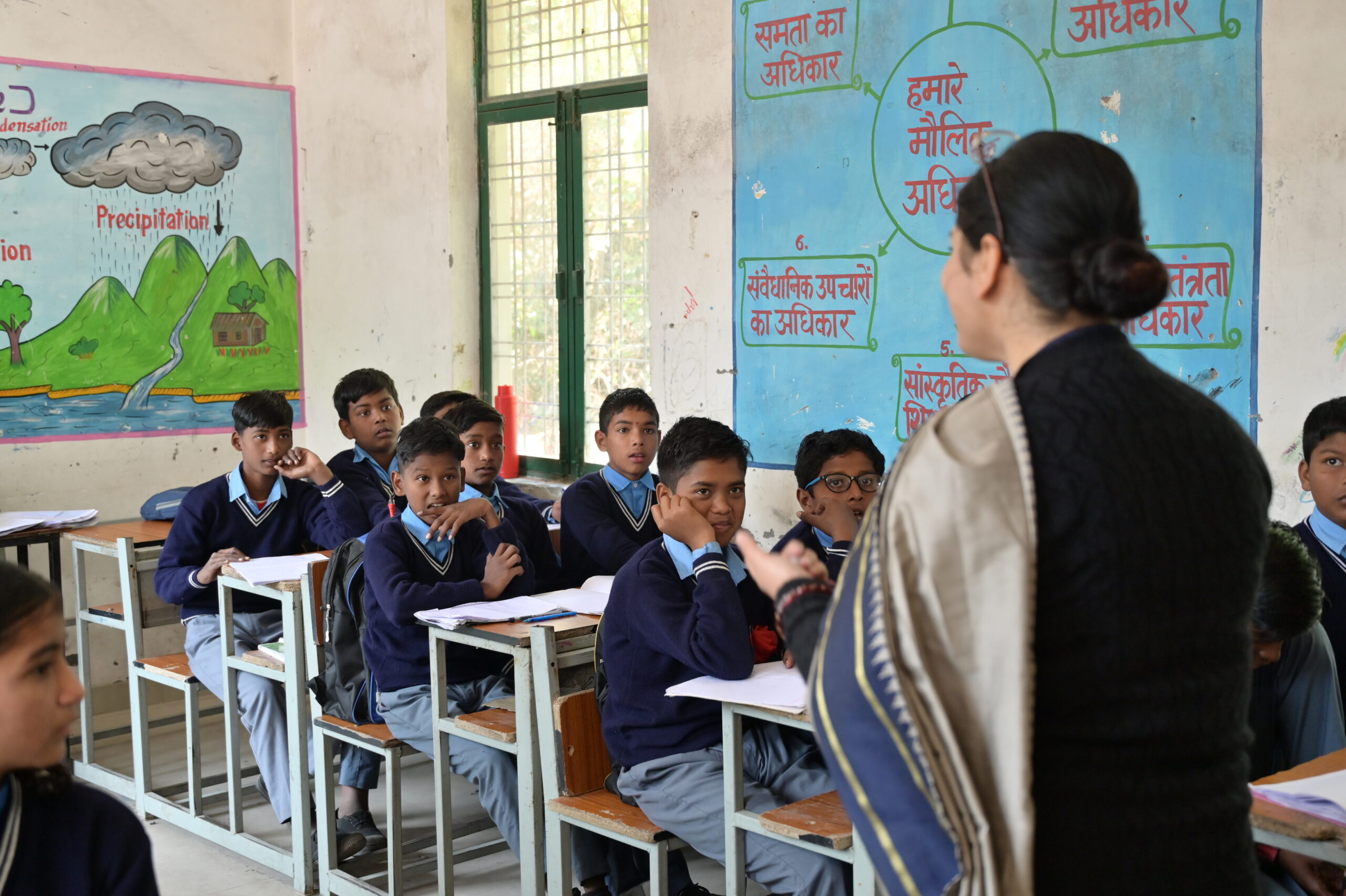
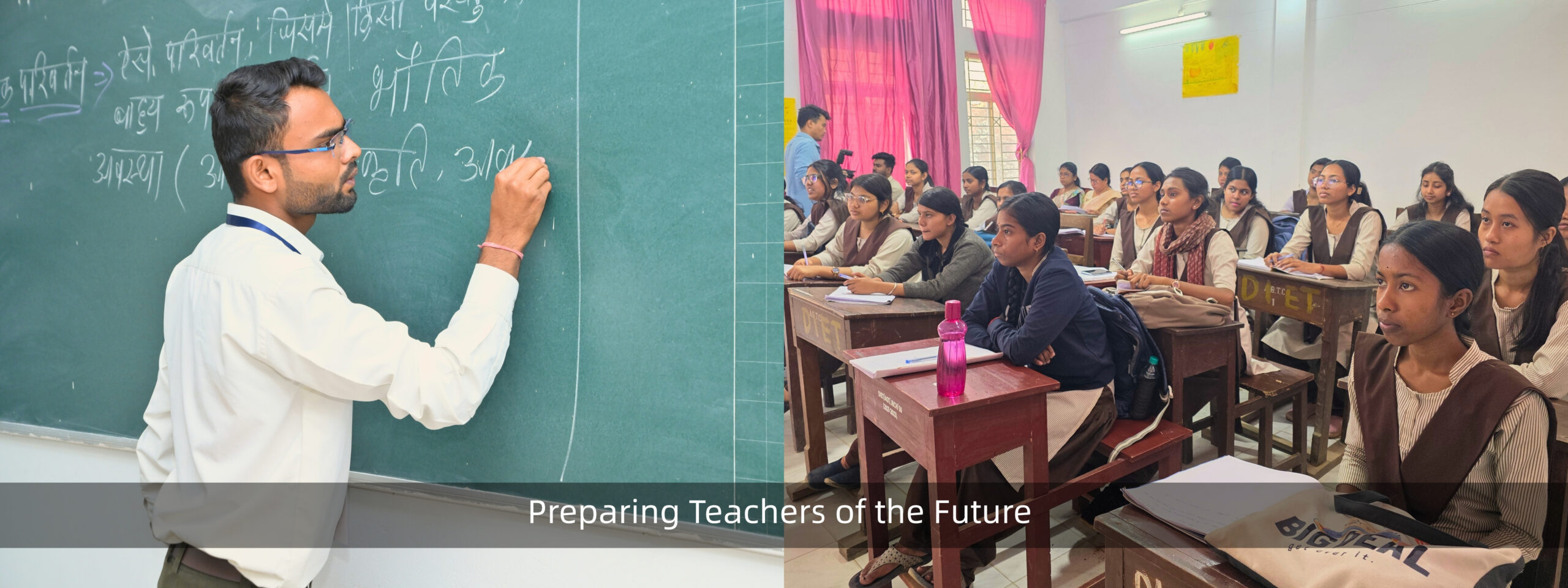
Teacher Education
Programme
Preparing future-ready teachers through competency-based learning, practical exposure, and technology-enabled teacher education.
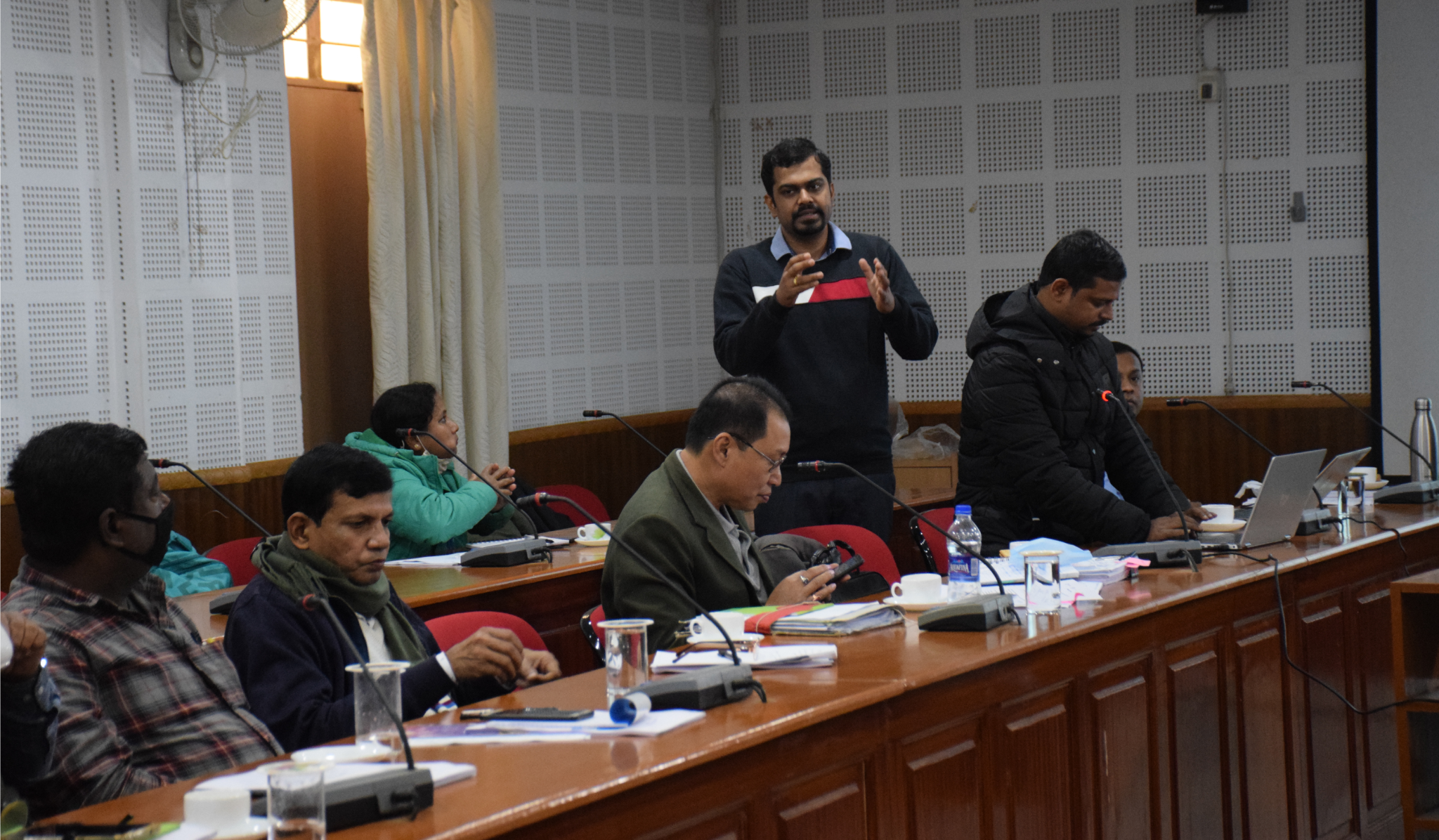
Data Analytics Support
Programme
Enabling evidence-based governance through data, analytics, and actionable insights for education systems.
Institutional Strengthening
Programme
Supporting SCERTs for transforming DIETs into Centres of Excellence.
Our Partners













Testimonies
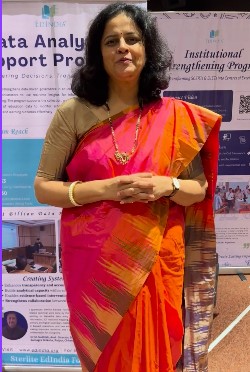 “
Sterlite Edindia Foundation Strengthens Our Approach
“
Sterlite Edindia Foundation Strengthens Our Approach
The collaboration with Sterlite EdIndia Foundation has strengthened our approach to foundational learning. Through the FLN initiative, we are now analysing data for over 1 lakh students from Grades 1 to 4 on a regular basis. This has helped us move beyond assumptions and accurately identify learning gaps. The insights generated are enabling focused interventions and better academic planning.
Read more “
Building Systems for Better Monitoring with Sterlite EdIndia Foundation
“
Building Systems for Better Monitoring with Sterlite EdIndia Foundation
Our work with Sterlite EdIndia Foundation over the past year has been particularly valuable in strengthening DIETs as Centres of Excellence in Rajasthan. From designing academic activities aligned with the framework to supporting the development of the SCERT dashboard, the Foundation has played an important role in helping us build systems for better monitoring and review. This has enabled us to take more structured and data-driven decisions at the institutional level.
Read more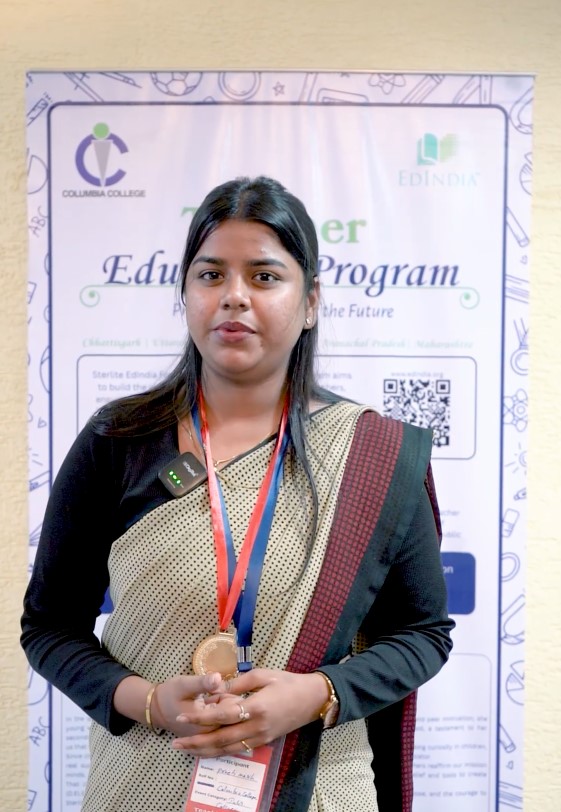 “
Learning New Teaching Approaches with Sterlite EdIndia Foundation
“
Learning New Teaching Approaches with Sterlite EdIndia Foundation
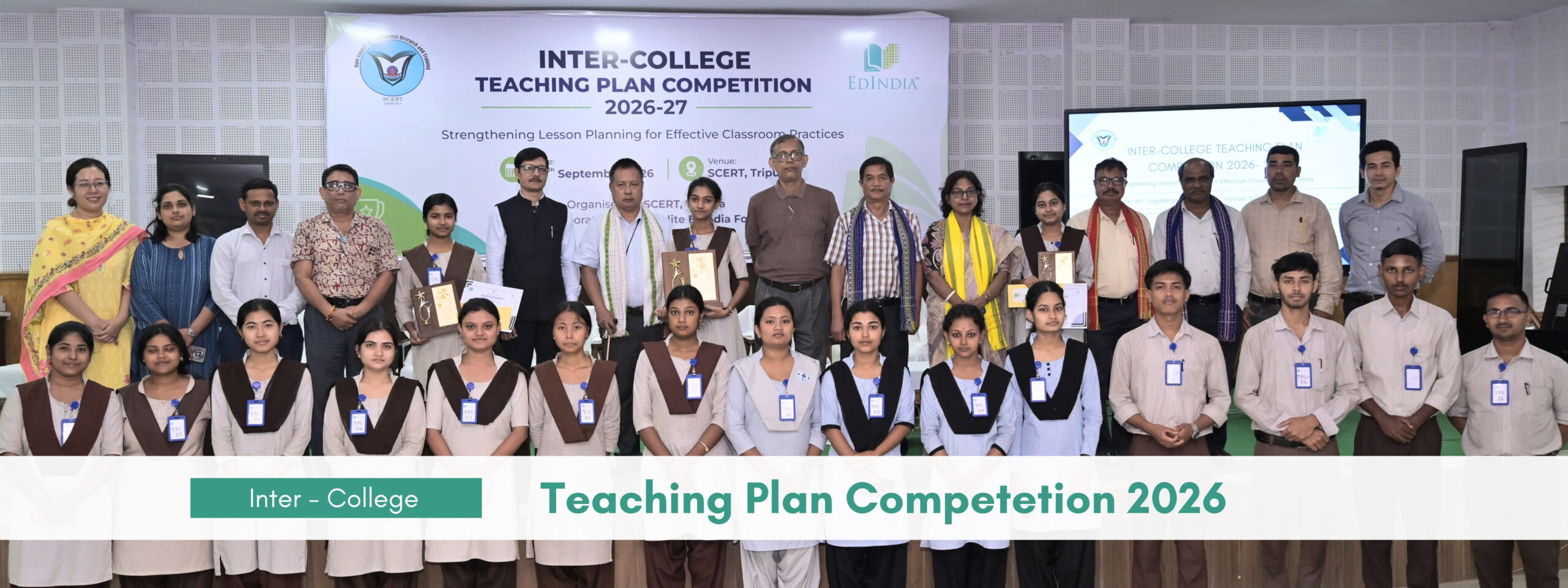
I secured the first position in the competi-tion (Teaching Plan Competition). The workshops and academic support provided through the programme helped me learn new teaching approaches and strengthened my overall understanding of classroom practice.
Read more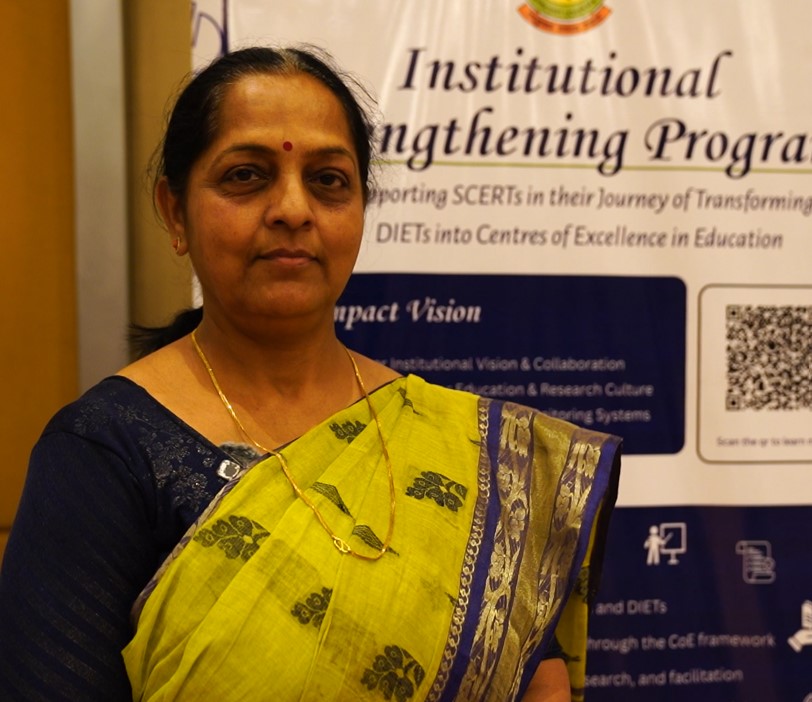 “
Strengthening Institutional Capacity with Sterlite EdIndia Foundation
“
Strengthening Institutional Capacity with Sterlite EdIndia Foundation
As the Principal of DIET Jodhpur, I am pleased to share our progress on the Vocational Education pillar under the Center of Excellence initiative. The Sterlite EdIndia Foundation has been a constant source of support, actively participating in our workshops and providing essential guidance in drafting our vocational modules. Their commitment to our growth, including facilitating national- level exposure, has been exceptional. The Collaborative and supportive attitude of the EdIndia team has been instrumental in strengthening our institutional capacity.
Read more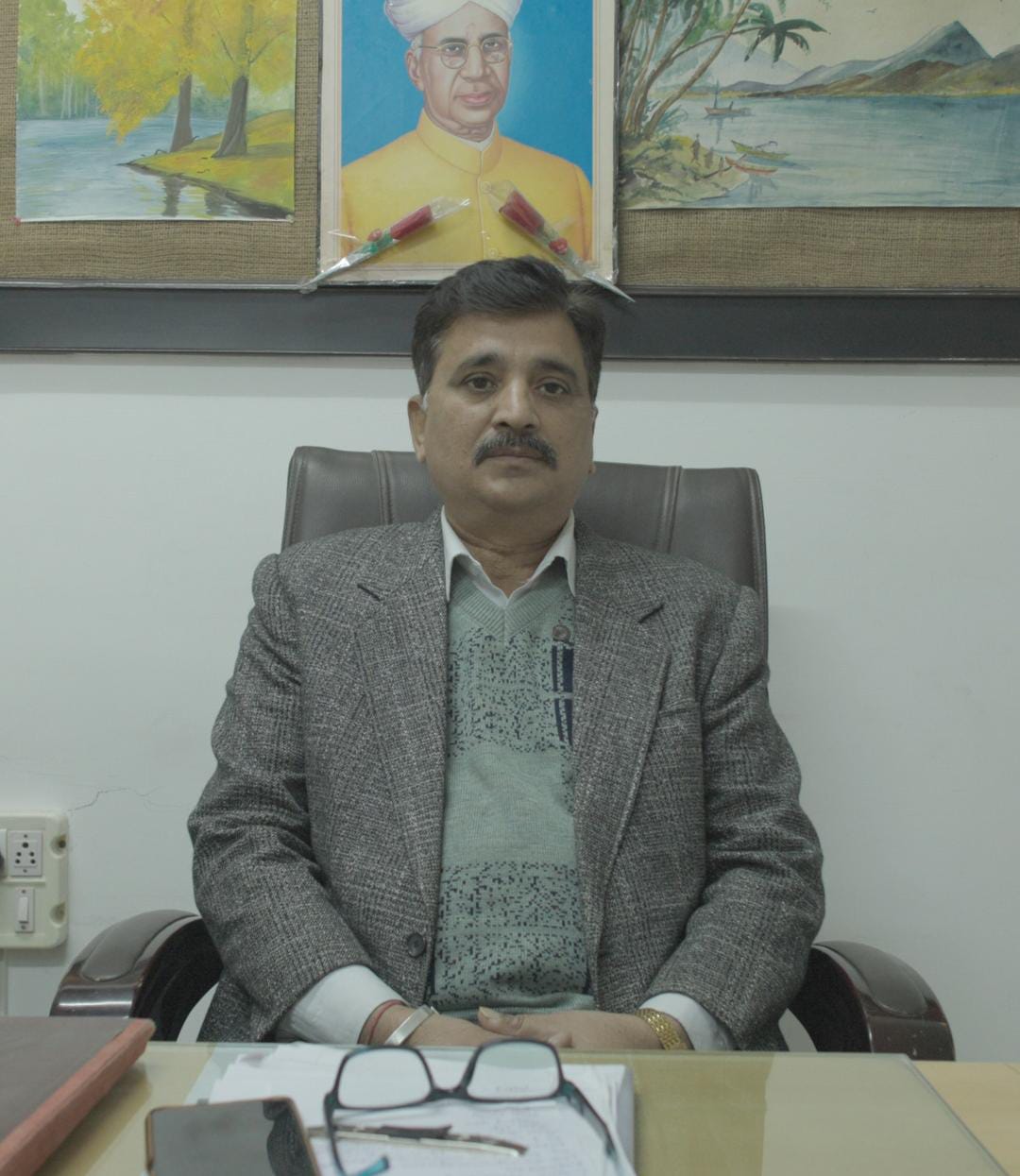 “
Bringing New Ways of Learning and Teaching with Sterlite EdIndia Foundation
“
Bringing New Ways of Learning and Teaching with Sterlite EdIndia Foundation
I really appreciate Sterlite EdIndia Foundation's team for coming up with new ways of learning and teaching to our students in the form of webinars, workshops, CTET mock test and other co-curricular activities. With the help of webinars, students have been introduced with advanced knowledge of different topics. CTET mock test organized by you have been helpful to our students in enhancing them.
Read more “
Improving CTET Exam Confidence with akrava app
“
Improving CTET Exam Confidence with akrava app
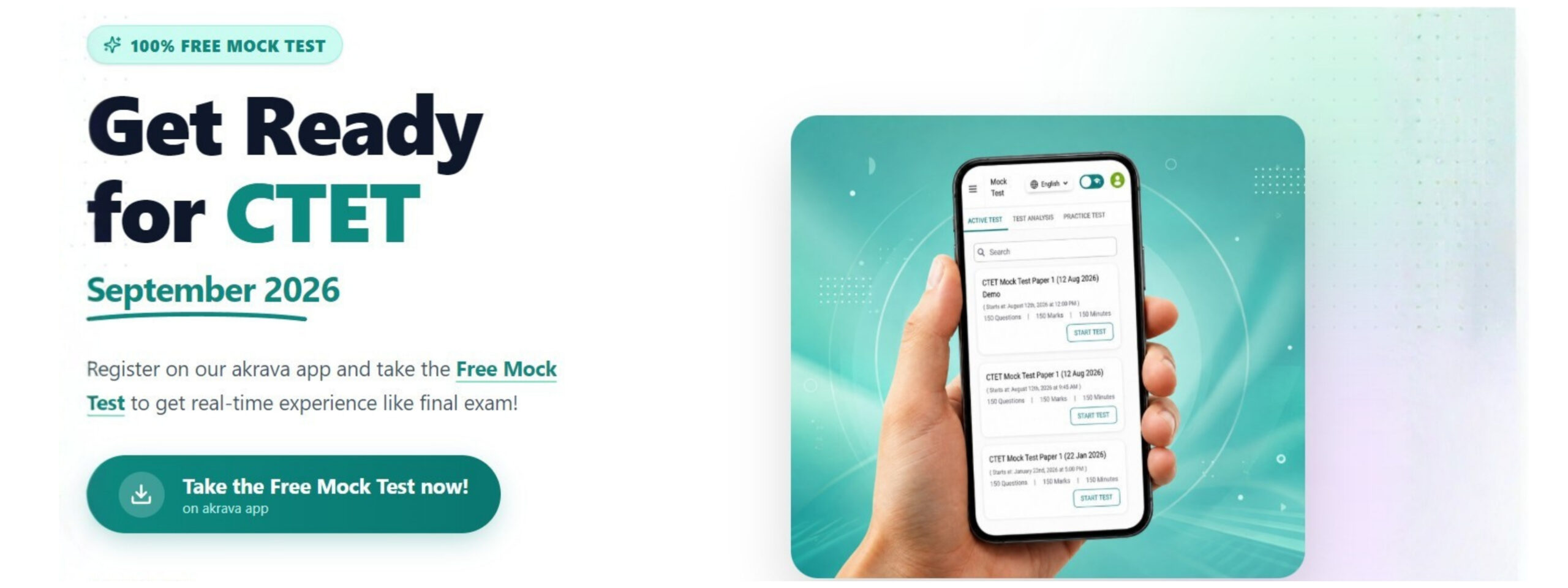
akrava app by Sterlite EdIndia Foundation has been very helpful in my CTET preparation. The free mock tests are really useful and give a good idea of what to expect in the actual exam. Practicing with these tests has improved my confidence and helped me understand where I need to focus more. The app also shows which topics I’m strong in and which ones I need to work on. It’s been a great support in my preparation.
Read more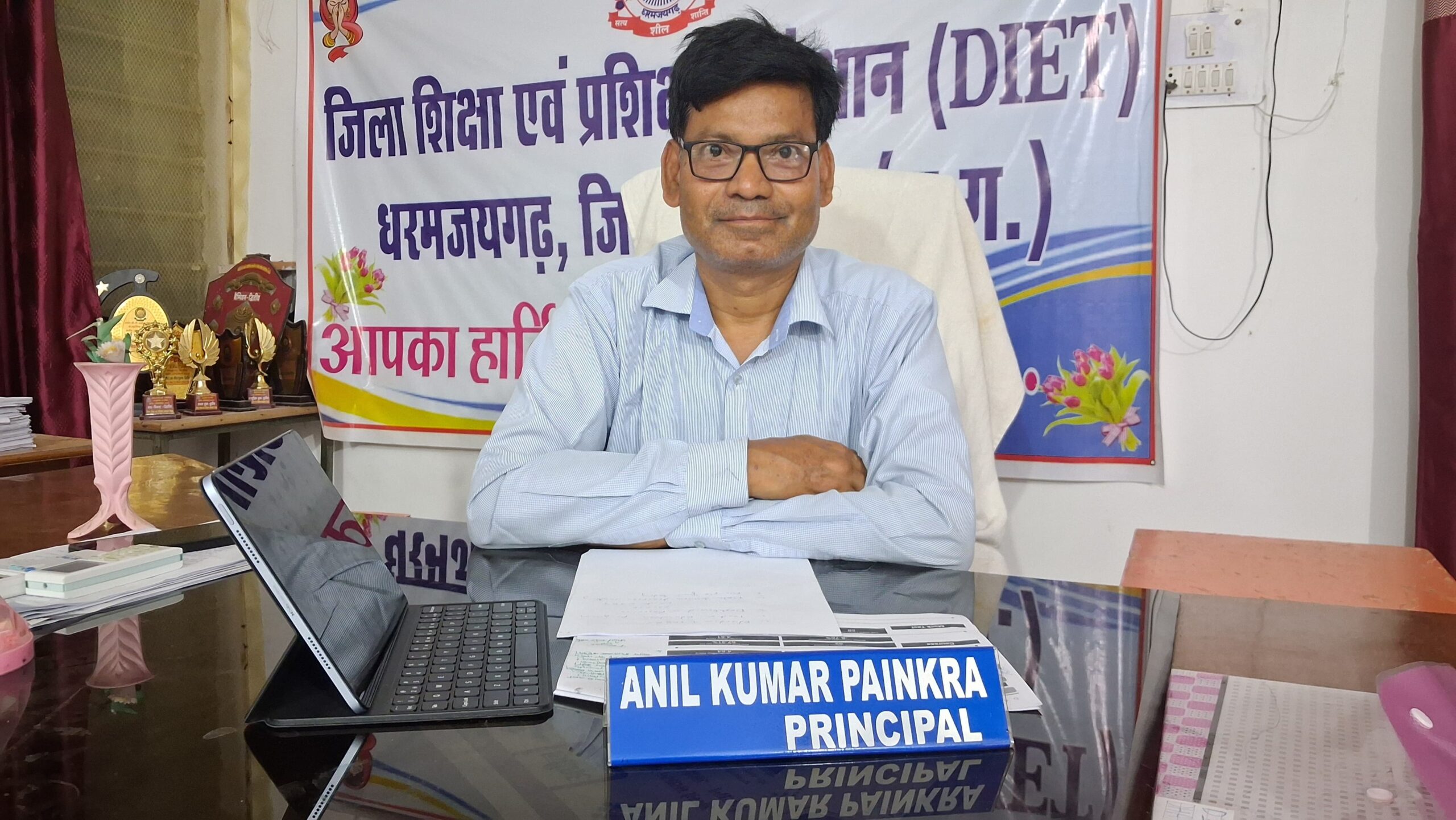 “
“
Under the guidance of SCERT, Sterlite EdIndia Foundation is working shoulder to shoulder with DIET, Dharamjaigarh, to build the capacity of student teachers. The Foundation organised 3 mock tests to help prepare our students for the CTET and CGTET. These tests were beneficial to our students. Many students have cleared CGTET as well as CTET because of it.
Read more “
“
The Career Guidance Webinar introduced me to various job opportunities beyond teaching after completing the D.El.Ed program. Exploring career options outside of teaching has broadened my perspective and helped me prepare for new areas of growth. I was excited to be a part of the career counseling session.
Read more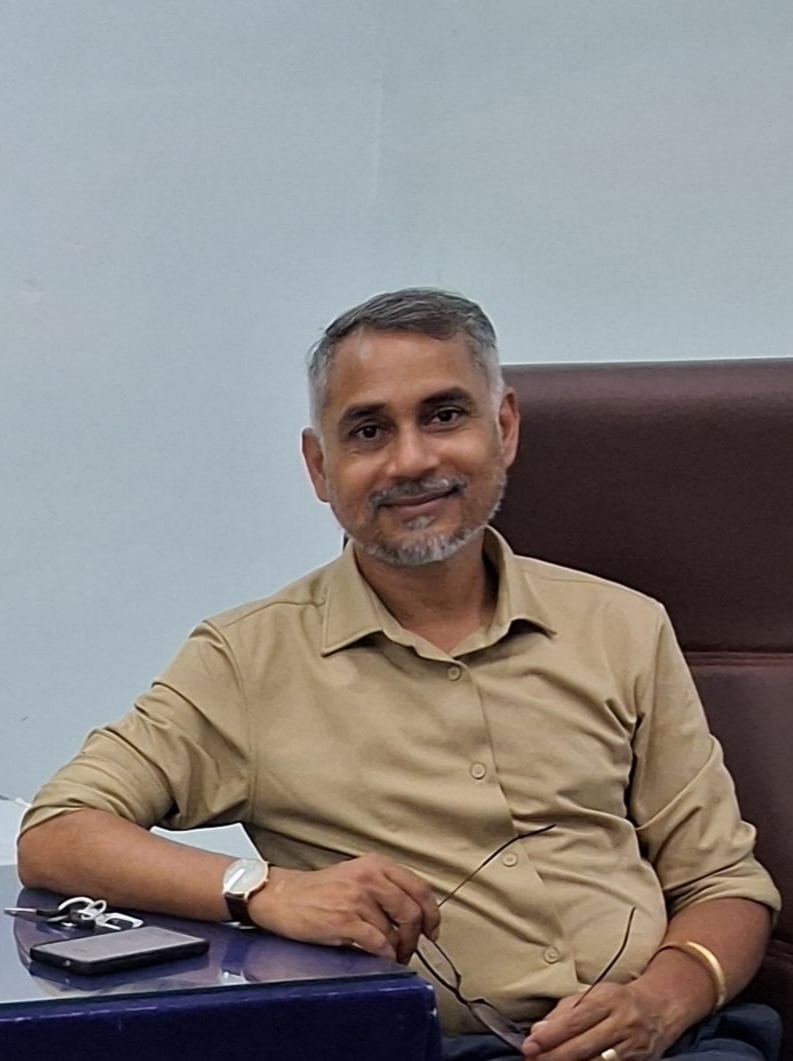 “
“
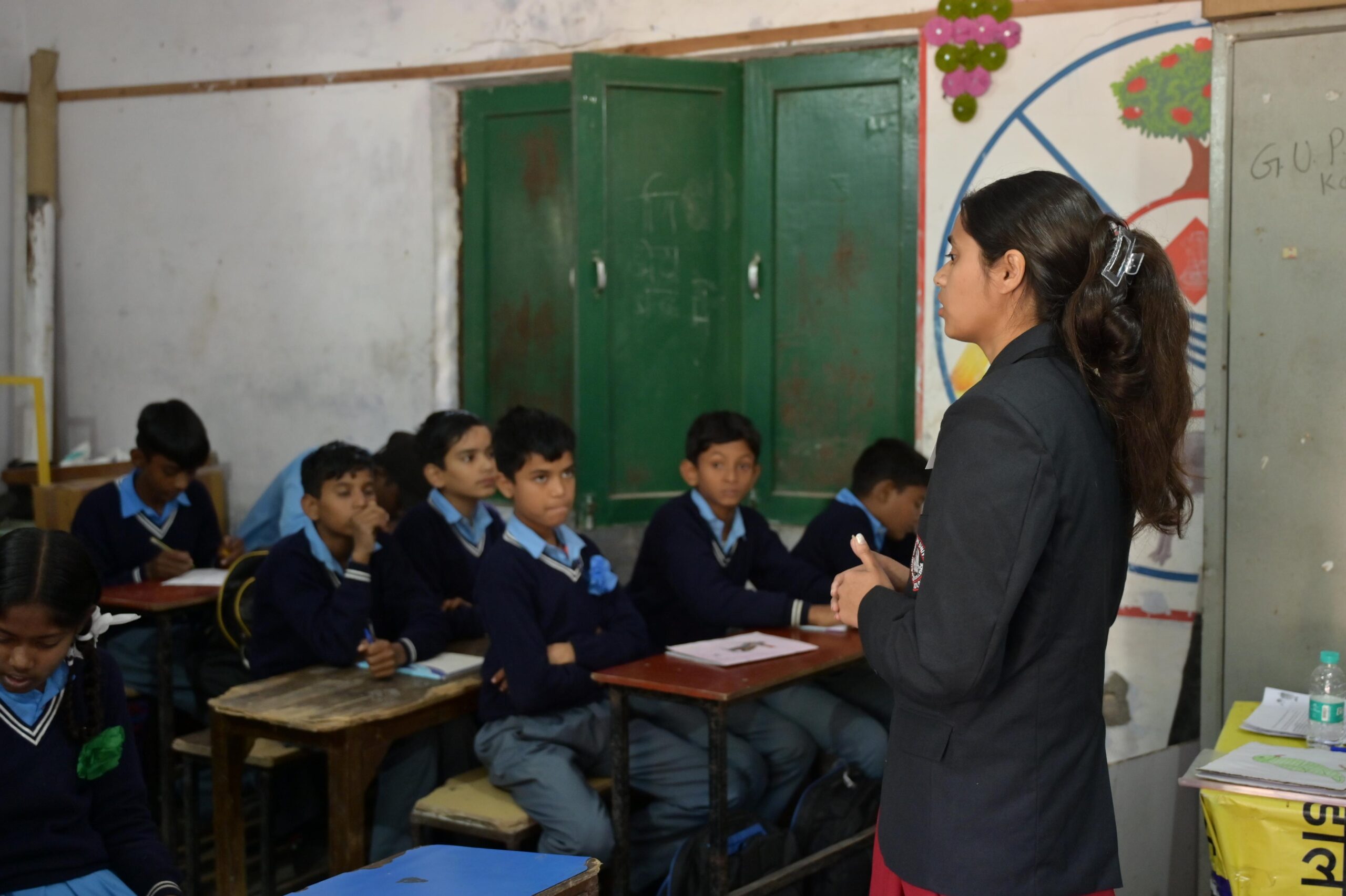
At the start of their careers, pre-service teachers need all the support they can get. Sterlite EdIndia Foundation has been instrumental in their growth by providing valuable on-site internship support. These practical experiences, combined with the insightful resources available on the akrava app, have equipped our PSTs with the essential skills and knowledge to excel in their teaching careers.
Read more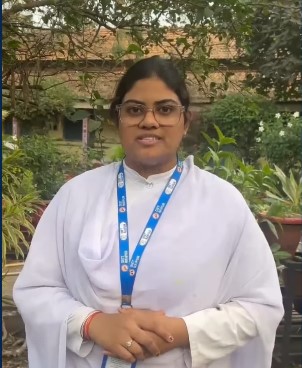 “
“
The online mock tests provided by Sterlite EdIndia Foundation at DIET Raipur were invaluable in my CTET/CGTET preparation. These tests closely mirrored the actual exam, helping me understand the format, manage time effectively, and identify my weaknesses.
Read more