Using Data to Improve Learning Outcomes and Education Planning
Every classroom has students with a diverse range of learning levels. Some are quick learners, some quick to answer, some thoughtful and quiet, some distracted, and many are just trying their best. And this is where data comes in the pictures acting as a quiet ally of an educator. Data or data analysis is basically a database or in simple words a book which guides you to make better decisions, which has useful information to draw conclusions and support the decision-making. Not the complicated kind filled with charts and graphs, but the simple information that emerges naturally from everyday teaching practices; classwork, observations, assessments, attendance, conversations, and small classroom moments that reveal how children are learning.
In this era of information, where every kind of information is analysed for better experience of the user, educators and school leaders have also started using this kind of information to understand how learning is happening and where support is needed. Data is no longer just clerical work but is emerging as a way to see learning more clearly. The change is subtle but is beginning to change how systems function.
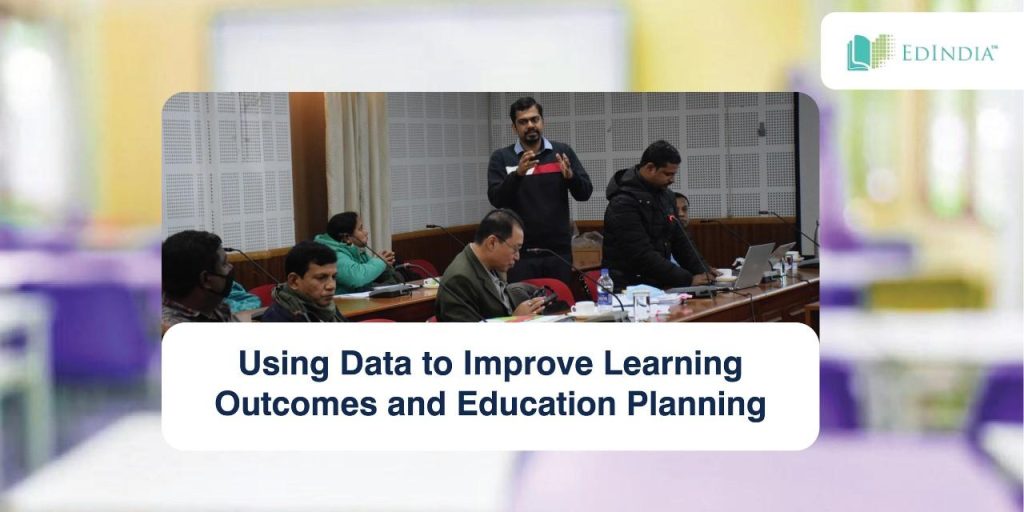
At Sterlite EdIndia Foundation our work with SCERTs, DIETs and administrators have shown one thing repeatedly, when decision- makers can see what’s happening and working, student attendance, performance, patterns, learning gaps the interventions become sharper, quicker and more personalised.
Our intervention with MCGM
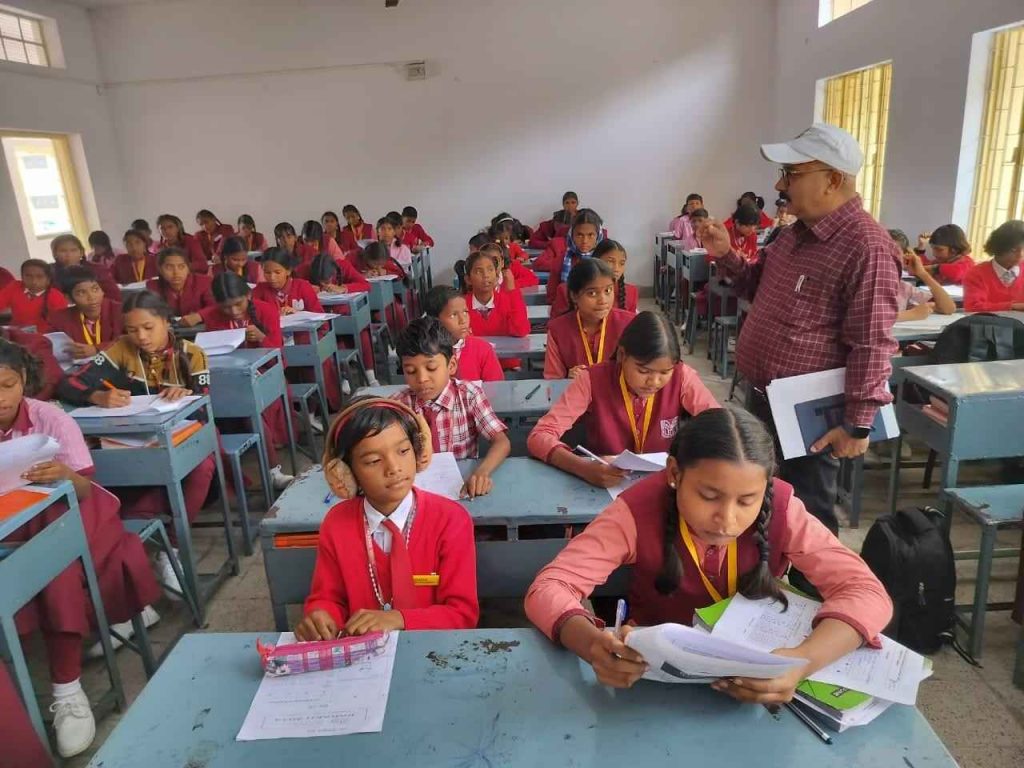
In M-East 1 Ward of Mumbai, where, every year, thousands of students take competitive scholarship exams. Before the introduction of data analysis dashboards, measuring and tracking of learning outcomes was difficult. Teachers relied on scattered records, memory, or manual corrections. In these kinds of situations, it becomes extremely difficult for teachers to identify who needed help, and in which area and it often happens too late.
With MCGM, Sterlite EdIndia Foundation co-designed a scholarship dashboard that mapped every student’s performance on mock tests. This helped decision- makers to make better decisions in a simple and visual way to understand nearly every learning gap, chapter by chapter, skill by skill.
The difference was visible in months. In the first year, only 3 students secured scholarships. In 2022, that number jumped to 33, and in 2023 the number reached 75. In 2024-25, we are proud to celebrate 122 merit achievers. The number didn’t grow because students suddenly started studying more. It grew because their preparation became focused. Teachers knew exactly which students needed more support, and what type of support would help them. And students stopped feeling lost; they knew where they stood and how to improve. This is the kind of shift that data can make; quietly, steadily, and with a deep impact.
How simple tool can help transform school management
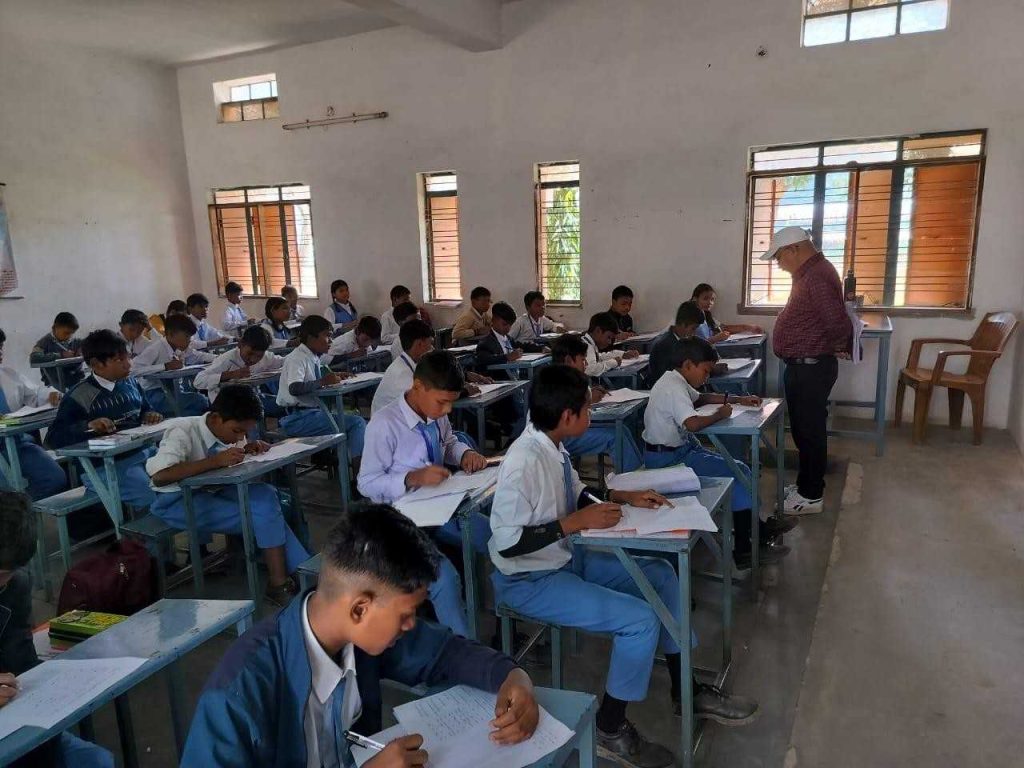
In Namsai (Arunachal Pradesh), a simple digital shift is changing the way schools function every day. With the Hamara Vidyalaya app, teachers and school leaders who previously only used manual registers to take attendance, enter assessment data, and maintain school records are much more able to do so now without significant additional effort and errors. After hands-on training sessions and continuous support, almost 92% of teachers are now using the app confidently, helping it reach 174 schools, 730 teachers, 174 headmasters, and 15 administrators. What started as a simple tool has become a backbone for transparent, data-led school management, showing that when technology is introduced with patience and support, even remote systems can move forward quickly and meaningfully.
This example is one of many. Today, EdIndia Foundation’s data analytics support works across Maharashtra, Arunachal Pradesh, Chhattisgarh, Tripura, and Rajasthan, enabling schools, administrators and teachers to plan smarter, respond quicker, and design systems that put learners at the centre.
How data works inside classroom
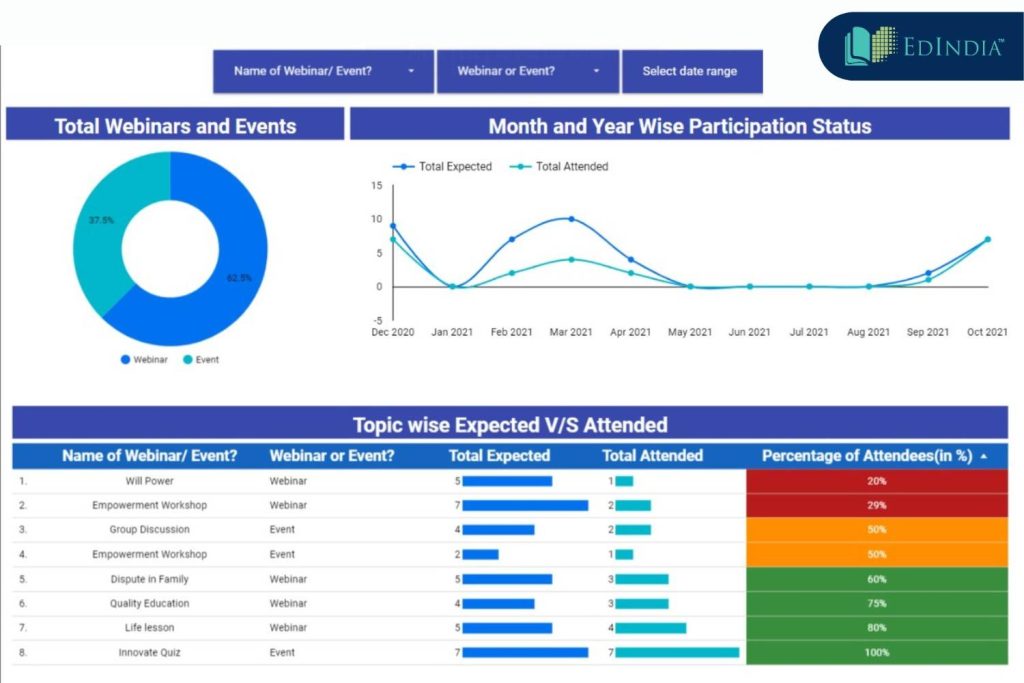
Dashboards can assist decision-makers when managing a system, but the real power of data shows up in classrooms. When a teacher notices most students did not perform well on a measurement question, the lesson tomorrow will be adapted. When a DIET faculty member observes that students in their teacher-education program struggle with assessment principles, the next workshop adapts. When a school administrator observes attendance falling every Wednesday, there is a reason to dig a little deeper. Data does not tell teachers what decisions to make; it simply allows them to make better decisions. Data makes teaching a more cerebral, intentional act that aligns with NEP 2020’s (National Education Policy) vision of learner-centred and competency-based approach.
As educational systems evolve and connect more with the digital world, the role of data will only grow. Which will help us to make teaching smarter, learning stronger and planning more equitable. If teachers are supported with simple, meaningful insight, if administrators have visibility into what’s happening in classrooms, if schools can plan based on need rather than assumptions, then data becomes more than numbers. It becomes a tool for fairness. And this is exactly how we view data as at Sterlite EdIndia Foundation; not as a technical layer but a way to help teachers do what they already do best; teach with intention, clarity and impact.