
Modern Educator Resumes: Showcasing Digital & Data Skills
Education is evolving faster than ever. Classrooms now extend beyond four walls, lesson plans are increasingly guided by data, and teachers are expected to seamlessly integrate pedagogy with technology. In this shifting landscape, a traditional teaching resume is no longer enough. Instead, it has become a dynamic reflection of how well an educator responds to change, integrates technology, and focuses on student growth. A modern resume should clearly communicate one essential message: the teacher is prepared for today’s evolving education system and capable of contributing meaningfully to it.
In today’s education system, schools seek teachers who bring more than just subject knowledge. They value educators who use technology effectively and make informed, data driven decisions. There is also a growing focus on technology enabled learning and data driven education programs. Organisations such as Sterlite EdIndia Foundation, a non-profit education organisation in India, are helping educators build these capabilities. Through structured professional development programs, digital tools, and training initiatives, the foundation supports teachers in strengthening both technological confidence and data literacy.
One of the first things teachers must understand is the importance of using the right keywords in their resume. Most schools and institutions now rely on Applicant Tracking Systems (ATS), software designed to scan and filter resumes based on relevant keywords, skills, and qualifications. An ATS friendly resume allows recruiters to quickly identify suitable candidates by matching terms such as classroom management, assessment strategies, digital learning, and student engagement. When teachers use these keywords thoughtfully, their resumes are more likely to pass initial screening and reach the recruiter.
However, a strong resume goes beyond keywords. Teachers should focus on competencies rather than daily tasks. Instead of writing routine duties like “taught lessons” or “conducted tests,” it is more effective to highlight abilities such as lesson planning, data analysis, differentiated instruction, and student assessment. This shift shows what the teacher is capable of, not just what they were assigned to do. A resume should also reflect growth by showing how the teacher has developed through experience, training, and reflection.
Digital literacy is now a core requirement in education. Teachers are expected to confidently use smartboards, digital platforms, and interactive tools to enhance learning. Tools like Kahoot! online quizzes, and classroom platforms such as Google Classroom help improve student engagement and participation. When included in a resume, these tools should be linked to outcomes. For example, a teacher might mention how using digital quizzes increased participation or improved understanding. This demonstrates practical application, not just familiarity.
At the same time, resumes must remain clear and concise. Ideally, a teacher’s resume should not exceed two pages. Recruiters often scan resumes quickly, so information must be presented in a structured and easy to read format. Important qualifications such as TET (Teacher Eligibility Test) and D.El.Ed (Diploma in Elementary Education) should always be included, along with any additional certifications. Certifications show continuous learning and a commitment to staying updated with current practices.
A modern resume should also reflect growth and responsiveness to new demands. Education is continuously evolving, with increasing focus on contextual learning, decentralisation, technology integration, and skill-based education. Teachers must demonstrate that they are aware of these shifts and are ready to adapt their practices. Including initiatives like FLN (Foundational Literacy and Numeracy) shows alignment with current priorities and a focus on building strong foundational skills.
Another important element is the inclusion of a digital portfolio link. A portfolio can showcase lesson plans, teaching strategies, student work, and other evidence of competencies. It provides recruiters with a deeper understanding of the teacher’s capabilities beyond the resume. References should also be included when specified in the job advertisement, ensuring professionalism and credibility.
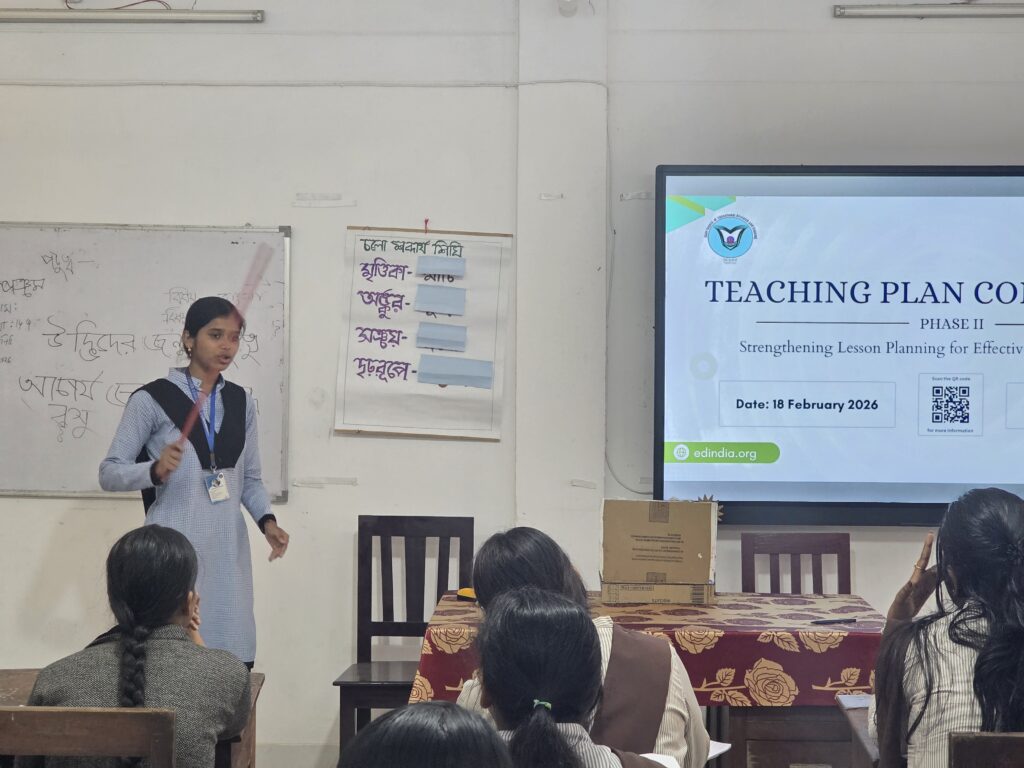
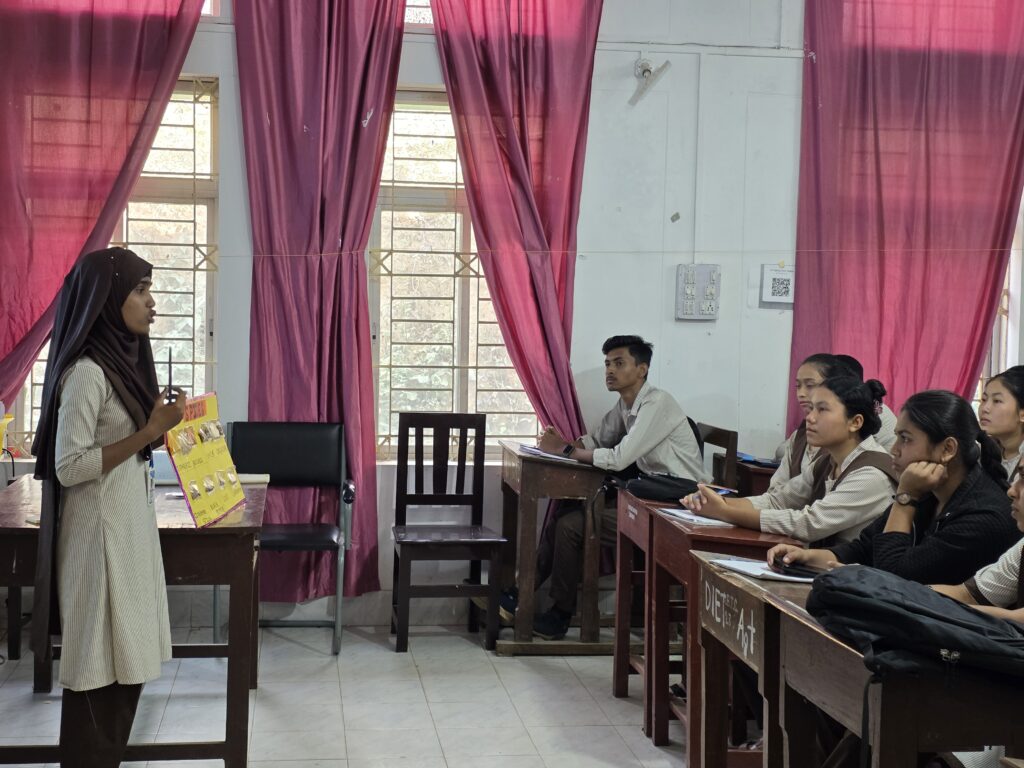
The role of technology in teaching continues to grow, especially with the rise of AI tools. Platforms like Canva and other website-based resources allow teachers to create interactive learning materials such as assignments, worksheets, and presentations. These tools save time and improve quality. For example, a teacher using AI can quickly design worksheets, improve efficiency and support better student engagement. Research by EdTech Hub (2023) reports that digital tools can improve student engagement and learning outcomes by 15% to 25% when effectively implemented. A study by UNESCO (2023) also suggests that students interacting with AI tools show improved cognitive engagement and overall performance. Including such examples in a resume highlight both innovation and impact.
Digital reflection notes, especially from internships, help demonstrate a teacher’s ability to learn from experience and continuously improve. These reflections, along with references to achievements, internship work, and measurable impact through student data, make a resume more authentic and compelling.
In addition to digital and data skills, practical teaching abilities should be clearly reflected in a teacher’s resume. Effective lesson planning, classroom management, and engagement with parents demonstrate the ability to create meaningful learning environments. A well-managed classroom supports student success by encouraging participation and using assessment data to address diverse learning needs. When planning, tools, and management work together, the classroom becomes dynamic, inclusive, and focused on outcomes. These practices reflect quality teaching, as they show measurable impact and effective strategies, which should be clearly highlighted in the resume.
Modern educators also use various digital tools to improve student engagement and build essential skills, and these practices should be highlighted to showcase digital competencies. These tools support interactive learning, critical thinking, and collaboration.
A strong resume should clearly reflect this purpose and demonstrate how the teacher contributes to it through both digital innovation and classroom practice.
Ultimately, a modern educator’s resume should do more than list qualifications and experience. It should tell a story of growth, adaptability, and impact. It should reflect a teacher who is not only keeping pace with changing educational environments but is also prepared to lead within them. In a world where classrooms are becoming more digital, data driven, and student focused, the most effective resumes clearly communicate readiness for change, commitment to student growth, and the ability to make learning meaningful. Such a resume represents an educator who is ready for the future.